
In the highly competitive food, medical, and logistics industries, efficient ice production is critical. However, ice production equipment is often energy-intensive, leading to high operating costs. By adopting advanced energy-saving technologies, businesses can significantly reduce energy consumption while maintaining production capacity and quality.

This article explores 6 strategies to lower the energy cost of ice production equipment, from component-level upgrades to system-wide optimizations.
6 Strategies to Reduce Ice Production Equipment Energy Costs
1. Optimize the Condensation System Design
The condensation system plays a pivotal role in the overall refrigeration efficiency of ice production equipment. Improving this component can greatly reduce energy usage.
Energy-saving improvements include:
- High-efficiency condenser types: Using evaporative or shell-and-tube condensers increases heat transfer rates, making the cooling process more effective and less energy-intensive.
- Variable-speed fans: These fans automatically adjust airflow based on ambient temperature, which reduces unnecessary power consumption during low-load periods.
- Larger condenser surface area: Expanding the heat exchange area reduces the burden on compressors, extends equipment life, and reduces peak energy loads.
By optimizing the condensation system, the refrigeration cycle becomes more stable, and the compressor workload is significantly lowered.
2. Use High-Efficiency Compression Systems
The compressor is typically the largest consumer of electricity in any ice production unit. Upgrading this system is crucial for reducing long-term energy consumption.
Recommended energy-saving approaches:
- Inverter (variable frequency) compressors: These adjust power output dynamically based on actual ice load requirements, reducing energy use during partial loads.
- Eco-friendly and high-EER compressors: Choosing compressors that use environmentally friendly refrigerants and have high Energy Efficiency Ratios (EER) improves both energy performance and sustainability.
- Stable operation: Avoid frequent start-stop cycles, which consume excess energy and shorten component lifespan. A stable, well-tuned system will be more efficient in the long run.
When selecting ice production equipment, the compressor system should be a primary consideration for energy-conscious buyers.
3. Improve Ice Machine Evaporator Efficiency and Ice-Making Design
The ice machine evaporator is directly responsible for ice formation and thermal exchange. Its design and material quality can significantly influence energy efficiency.
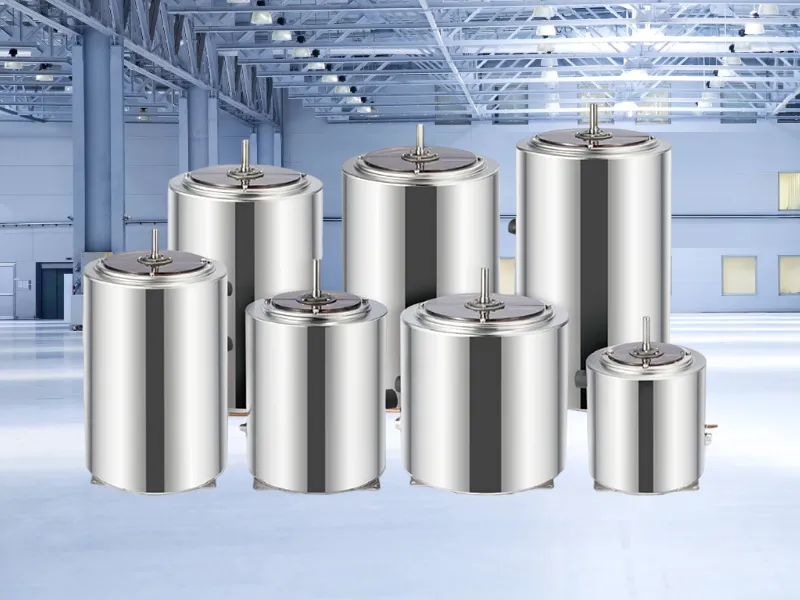
- Optimized structure and layout: A larger surface area and efficient flow design allow faster heat exchange and shorter freezing cycles.
- High thermal conductivity materials: Using aluminum alloys or copper-based components for the ice machine evaporator surface ensures faster cooling and ice release.
- Smart mold and de-icing control: Proper ice shape design and automated de-icing sequences reduce unnecessary cold energy loss during ice harvesting.
Improving ice machine evaporator performance means faster production with lower energy input, especially important in high-demand environments.
4. Use Intelligent Control Systems to Reduce Operational Waste
Modern intelligent control systems help ice machines operate more precisely, avoiding unnecessary energy usage.
- Auto start-stop systems: When the ice bin is full, the system automatically pauses production to prevent idle operation and wasted electricity.
- Smart power monitoring: Real-time energy usage tracking allows for performance optimization and detection of abnormal consumption patterns.
- Remote monitoring and alerts: IoT-enabled systems allow facility managers to receive alerts and manage equipment remotely, reducing downtime and manual errors.
By digitizing energy management, businesses can monitor, control, and reduce energy waste in real time, which is particularly valuable in multi-machine environments.
5. Perform Regular Maintenance and Cleaning
Regular maintenance is essential to keep ice production equipment operating at peak efficiency. Even the most advanced machines can suffer performance losses if not properly cared for. Over time, dust, scale, and debris can accumulate on condensers and evaporators, reducing heat exchange efficiency and increasing energy consumption. Routine cleaning helps prevent these issues and ensures stable cooling performance.
It’s also important to inspect the system’s electrical components—such as sensors, relays, and control boards—to ensure they are functioning correctly. Faulty or aging parts should be replaced promptly to avoid unexpected breakdowns. Additionally, water flow within the machine must remain unobstructed; clogged or restricted lines can slow down the freezing process and reduce overall energy efficiency. With consistent upkeep, businesses can reduce energy usage, extend equipment lifespan, and minimize repair costs over time.
6. Focus on Energy Efficiency During Equipment Selection
One of the most effective ways to lower energy costs is by selecting energy-efficient ice production equipment from the very beginning. During the procurement stage, it’s important for businesses to prioritize long-term performance and operational efficiency over initial purchase price. Equipment with recognized energy-saving certifications, such as CE offers greater assurance of efficiency and quality.
Buyers should also review the Energy Efficiency Ratio (EER) and real-world power consumption to understand how the machine performs under actual working conditions. Instead of focusing solely on upfront costs, evaluating the total cost of ownership—including energy use, maintenance requirements, and lifecycle performance—can lead to better long-term value. Requesting energy reports or case studies from the manufacturer also helps ensure transparency and informed decision-making. With the right equipment choice, businesses can achieve energy savings of 15% to 30% over time, depending on usage patterns and environmental conditions.
Conclusion
Reducing the energy cost of ice production equipment is achievable through a combination of smart design, modern control systems, and careful operational practices. Whether you’re operating a seafood processing plant, beverage facility, or a hospital, improving energy efficiency can lower operating expenses, reduce your carbon footprint, and extend equipment life.
Investing in energy-saving technologies is no longer optional—it’s a strategic move for businesses that want to stay competitive and sustainable in the long term.
Looking for high-efficiency ice production equipment? Visit GRANT Ice Solutions to explore energy-saving models and customized recommendations tailored to your industry needs.