
In modern commercial environments, ice is more than just a cooling medium—it plays an essential role in shaping product quality, customer satisfaction, and operational efficiency. From restaurants and beverage shops to healthcare facilities and food processing plants, the type of ice used can directly impact workflow, presentation, and temperature control. Among the many ice forms available today, cube ice and cylindrical ice stand out as two of the most widely used options. Understanding their differences helps businesses make better decisions and select the most efficient solution for their operations.
Choosing the right type of ice is not merely about preference; it directly determines cooling performance, melting speed, beverage quality, and even the overall customer experience. This article explores the characteristics, advantages, limitations, and application scenarios of cube ice and cylindrical ice to help businesses identify which option best aligns with their needs.
Characteristics of Cube Ice
Cube ice is one of the most common ice forms in the commercial sector. As the name suggests, it features a clean, regular cube shape, commonly seen in hospitality venues, beverage shops, bars, and restaurants.
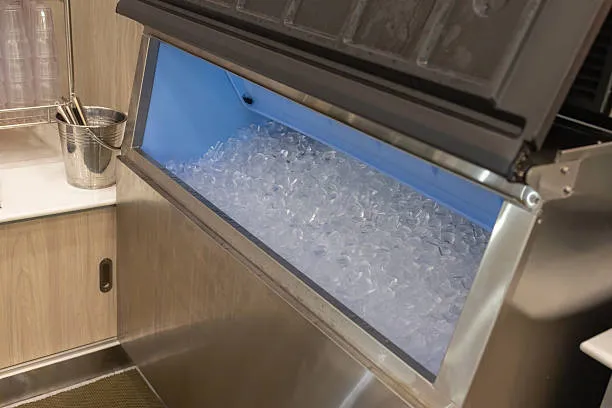
Appearance
Cube ice has a uniform square or rectangular shape that offers a clean and polished look. Its transparency and clarity make it visually appealing in beverages, enhancing the overall presentation.
Advantages
Cube ice offers several operational benefits, making it suitable for a wide range of commercial uses.1.
1. Fast Cooling Speed
Due to its relatively small size and sharp edges, cube ice has a higher surface-to-volume ratio. This allows it to cool beverages quickly, making it ideal for businesses that require rapid serving.
2. High Transparency
Its clarity enhances drink presentation, creating a premium and refreshing appearance that customers find visually satisfying.
3. Versatile Applications
Cube ice is commonly used in sodas, juices, iced teas, and various beverages served in quick-service restaurants.
Limitations
Despite its popularity, cube ice does come with limitations.
1. Melts Quickly
Its small surface area leads to a faster melting rate, meaning beverages can become diluted more quickly—undesirable for specialty drinks or long-serving applications.
2. Less Ideal for Long-Term Cooling
Cube ice is not the best option for extended food preservation or display because it melts faster compared to cylindrical ice or flake ice.
Characteristics of Cylindrical Ice
Cylindrical ice has become increasingly popular in premium beverage service and specialized commercial applications. It typically appears in a rounded, tube-like shape and can be either hollow or solid, depending on the machine design.

Appearance
Cylindrical ice is visually attractive due to its smooth surface and elegant structure. The consistency in shape provides a refined look, making it a favorite in upscale cafés, bars, and high-end dining establishments.
Advantages
Cylindrical ice offers several notable benefits that contribute to its growing demand.
1. Slower Melting Speed
With greater mass and a reduced surface area, cylindrical ice melts significantly more slowly than cube ice. This makes it ideal for drinks that require prolonged cooling without diluting flavor.
2. Durable and Hard Structure
Cylindrical ice is known for its hardness and durability, making it resistant to breaking or cracking during handling and mixing. This ensures consistent cooling and better drink texture.
3. Premium Beverage Experience
Used in cocktails, coffee beverages, and luxury drinks, cylindrical ice enhances both visual appeal and mouthfeel, contributing to a refined customer experience.
4. Better for Longer Preservation
The slow melting characteristics make it suitable for food displays, seafood preservation, and long-duration cooling needs.
Limitations
While highly functional, cylindrical ice also has challenges.
- Longer Ice Formation Time: Because the ice is denser and larger, production cycles may take slightly longer than cube ice machines.
- Higher Equipment Cost: Cylindrical ice makers typically feature more complex molds and cooling systems, resulting in a higher upfront investment.
Application Scenarios: Cube Ice vs Cylindrical Ice
Selecting between cube ice and cylindrical ice depends strongly on the specific needs of each business. Below is a comparison of common application settings.
Food & Beverage Industry
Cube Ice
Cube ice is widely used in fast-food chains, beverage stores, and quick-service restaurants.
It cools drinks rapidly, making it ideal for high-turnover environments where speed is essential.
Cylindrical Ice
Cylindrical ice is preferred in cafés, cocktail bars, lounges, and high-end restaurants.
Its slow melting speed and attractive appearance enhance both flavor retention and presentation, making it perfect for specialty beverages.
Food Processing & Preservation
Cube Ice
Cube ice can support short-term preservation and small-volume cooling needs.
However, its fast melting rate limits its suitability for extended storage.
Cylindrical Ice
Cylindrical ice excels in environments that require longer cooling duration, such as seafood displays, product transportation, and long-term food preservation.
Its slow-melting properties ensure stable temperature control.
Medical & Laboratory Applications
Cube Ice
Cube ice is useful for quick cooling, such as temperature shock processes or rapid chilling tasks.
Cylindrical Ice
Cylindrical ice is more suitable for environments that require consistent, sustained cooling.
Laboratories, hospitals, and research facilities rely on it for storing biological specimens, medications, and temperature-sensitive materials.
Key Factors Businesses Should Consider
When choosing between cube ice and cylindrical ice, enterprises should evaluate the following:
Daily Ice Usage Requirements
Businesses with high-volume demand may need machines capable of producing large quantities of ice consistently.
Customer Demographics and Service Style
Fast-service establishments may prefer cube ice, while premium beverage-focused venues benefit more from cylindrical ice.
Operational Budget and Energy Consumption
Cylindrical ice machines may require higher investment but often offer better long-term efficiency due to slower melting and reduced waste.
Maintenance and Equipment Lifespan
Ease of maintenance, durability, and design should be considered to ensure long-term stable operation.
Conclusion
By understanding the strengths of each ice type and aligning them with operational goals, businesses can optimize performance, improve customer experience, and ensure long-term efficiency in their daily operations. At Grant Ice Systems, we provide high-quality cube and cylindrical ice solutions tailored to meet diverse commercial needs, helping enterprises achieve consistent ice production and superior beverage presentation.